

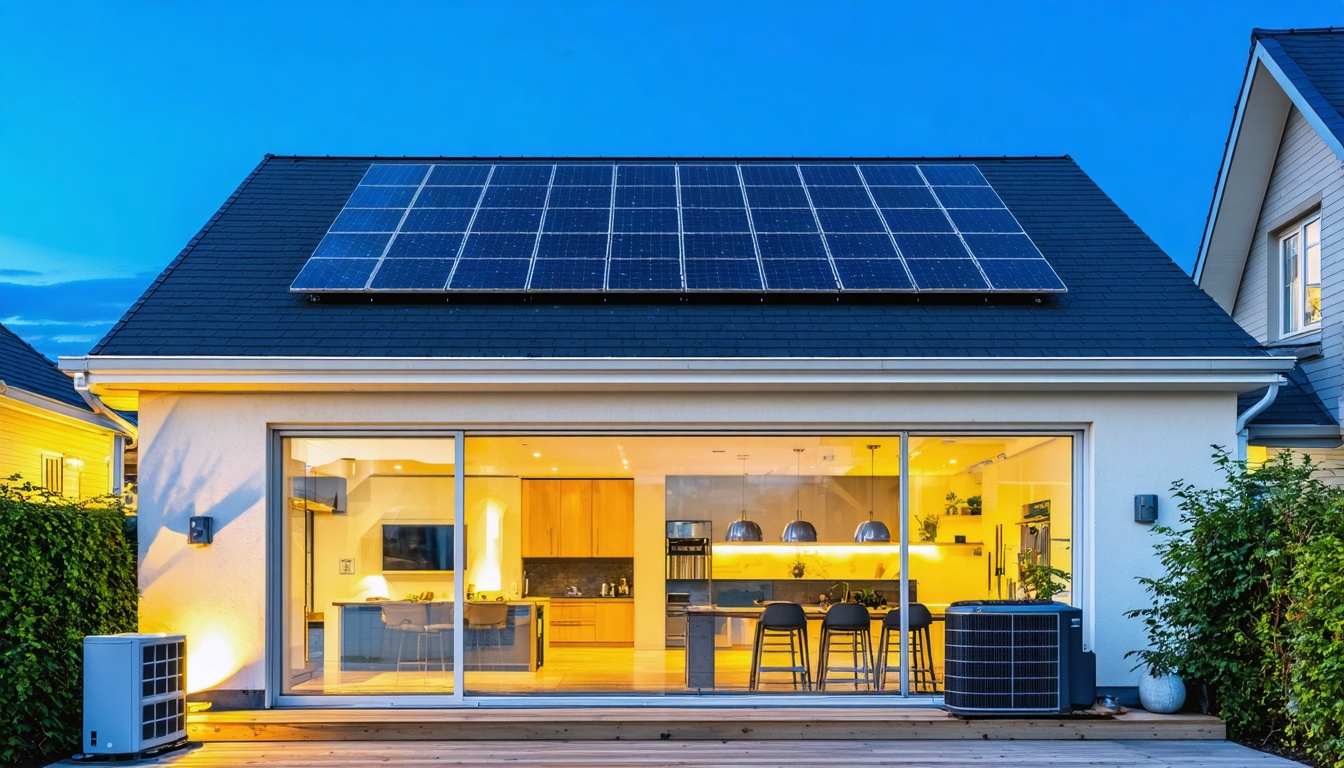
Home Energy Efficiency Improvements That Complement Solar Power
Investing in solar power is often complemented by making improvements to a home's energy efficiency. Enhancements such as improving insulation, upgrading heating and cooling systems, and incorporating smart technology for energy management can lead to greater overall savings and maximize the return on investment in solar energy. Improving insulation can significantly reduce the amount of energy required for heating and cooling, which in turn affects the efficiency of the solar power system. Upgrading outdated heating and cooling systems to more energy-efficient models can also lead to lower operational costs and better performance. Additionally, implementing smart technology, such as programmable thermostats or energy monitoring systems, enables homeowners to optimize their energy use and further enhance savings. These upgrades not only contribute to financial savings on energy bills but can also improve comfort and maintain a consistent indoor climate throughout the year. When considering which improvements will have the most substantial impact, it is essential to evaluate the specific characteristics and needs of the home. This strategic approach can ensure that investments are directed toward the upgrades that will yield the greatest benefits in efficiency and comfort.
Enhancing Your Home’s Envelope with Air Sealing and Insulation
The efficiency of a home largely relies on the condition of its building envelope, encompassing both air sealing and insulation. Proper air sealing and insulation are crucial for optimizing the performance of energy systems, including solar panels. If a home is not adequately sealed and insulated, the effectiveness of these systems may be diminished, hindering their ability to operate efficiently.
Measures to improve a home's energy efficiency include sealing air leaks, installing storm windows and doors, and enhancing insulation levels. For those in the Bronx, considering Residential Solar Panels in the Bronx can also be a valuable addition. These enhancements can lead to improved heating and cooling efficacy, which in turn may result in lower energy expenses and potentially increase the property's market value.
Implementing these modifications also supports the reduction of natural gas consumption, thereby decreasing reliance on fossil fuels. Homeowners in New York have access to federal tax credits and state incentives, such as those from the Comfort Home program, designed to help mitigate the costs of these energy efficiency upgrades.
To further explore the relationship between home energy efficiency and the various systems in place, resources including Savings Calculators, FAQs, and Residential Clean Energy guides are available. These resources provide comprehensive information on relevant topics, including impacts on indoor air quality, battery storage solutions, and how efficient appliances contribute to a holistic approach to energy-efficient homes.
Upgrading Heating and Cooling for Greater Efficiency
Upgrading a home's heating and cooling systems can significantly improve energy efficiency, especially when combined with solar energy solutions. One effective option is the installation of air source heat pumps, which can help reduce dependency on natural gas and other fossil fuels, thereby contributing to lower greenhouse gas emissions.
These systems not only enhance energy performance but may also improve indoor air quality and lead to reductions in monthly energy bills.
Additionally, making air sealing and insulation upgrades can further boost energy efficiency, allowing homeowners to save on energy costs while potentially increasing property value. Heat pump water heaters are also considered an effective alternative for water heating, offering notable efficiency compared to traditional systems.
The incorporation of smart thermostats can optimize energy consumption by adjusting heating and cooling based on when spaces are occupied and individual user preferences.
In the United States, homeowners may qualify for federal tax credits for the installation of these energy-efficient systems. For accurate assessments of potential savings and additional details, homeowners are advised to use the Savings Calculator and consult the Frequently Asked Questions section on the Internal Revenue Service website.
Improving Water and Appliance Performance
Improving water efficiency and appliance performance in residential settings contributes to lower utility costs and can complement the benefits of solar energy systems. Upgrading to fixtures that are WaterSense-labeled can lead to measurable savings in both water usage and utility expenditures. This, in turn, can help reduce a household's carbon footprint and lower associated electricity costs.
Furthermore, opting for high-efficiency appliances, such as induction stoves and heat pump water heaters, can enhance the overall value of homes, particularly for those in states like New York where federal tax credits may be available.
These home upgrades often qualify for tax incentives from the Internal Revenue Service (IRS), which can offset initial costs and support a shift away from reliance on fossil fuels while also contributing to improved air quality.
Homeowners interested in these upgrades should reference the Residential Clean Improvement Projects FAQ for details on eligibility and further guidance. Implementing these measures can offer both financial savings and environmental benefits.
Integrating Solar Energy and Battery Solutions
Integrating solar energy with battery storage provides homeowners with improved management of electricity consumption. By storing excess solar energy, homeowners can use this stored energy during times of increased demand, during power outages, or to reduce electricity expenses.
The integration of battery storage and energy-efficient appliances diminishes dependence on fossil fuels, which may lead to better indoor air quality and contribute to sustainability efforts.
In New York, homeowners can take advantage of federal tax incentives, including a 30% Residential Clean Energy tax credit available through the Internal Revenue Service.
It is recommended for prospective users to review Frequently Asked Questions resources to understand eligible projects, the potential increase in property value, and tools for calculating potential savings.
Moreover, enhancing energy systems may require additional measures, such as air sealing and upgrades to water heating systems, which can further improve overall energy efficiency.
Maximizing Incentives and Tax Credits for Home Improvements
Homeowners seeking to alleviate the financial impact of energy-efficient home improvements can take advantage of various federal incentives and tax credits in the United States. Notably, individuals may claim a tax credit of up to 30% for the installation of solar energy systems. In addition, tax credits are available for other energy-efficient upgrades, such as heat pump water heaters, air source heat pumps, and battery storage systems.
Investing in energy-efficient appliances and enhancements, notably air sealing, storm windows, and insulated doors, may lead to reduced electricity consumption and contribute to lowering a household’s overall carbon emissions.
To take advantage of these eligible tax credits, homeowners are required to fill out IRS Form 5695. It is important for individuals to review guidelines from the Internal Revenue Service regarding the specific requirements and limitations of these incentives.
Utilizing a Savings Calculator can help estimate potential savings and financial returns from these home improvements.
Conclusion
Improving home energy efficiency through measures such as insulation, efficient HVAC systems, smart technology, and weatherproof windows and doors can complement solar power systems. These enhancements work together to optimize energy performance, contributing to reduced energy bills and lowering overall energy consumption. Effective insulation minimizes heat loss during the winter and keeps indoor spaces cooler in the summer, thereby reducing the demand on HVAC systems. Upgrading to energy-efficient HVAC systems can lead to significant reductions in energy use, which is particularly beneficial when paired with solar power generation. Smart technology, including smart thermostats and energy management systems, allows homeowners to monitor and control their energy usage more effectively. Weatherproofing windows and doors also contributes to improved home efficiency. High-performance windows can diminish the need for heating and cooling, leading to further reductions in energy expenses. In addition, various government incentives and tax credits may be available to offset the costs of these upgrades. As a result, homeowners looking to enhance their energy efficiency while integrating solar power can find these improvements financially advantageous. Overall, investing in energy efficiency helps ensure that solar investments provide greater returns, while also contributing to sustainability goals.